
The Holy Trinity of Modern Digital Decline (Part 2): Reverse Improvement 🙃

In 2017, Lyft (an alternative to Uber in the US) launched something they called revolutionary. Something nobody had thought of before. Something that would change urban transportation forever.
They called it Lyft Shuttle. For a fixed rate, you could walk to a designated pickup spot, hop into a shared vehicle on a preset route, and get dropped off at predetermined stops near your destination. Routes served popular corridors between residential neighbourhoods and business districts.
If this sounds familiar, it should. Because Lyft literally just reinvented the fucking bus. Then marketed it as “innovation”.
This, my friends, is reverse improvement: taking something that already works, repackaging it as an upgrade nobody asked for, and somehow making it worse, more expensive, and dependent on an app littered with paywalls.
If enshittification (see Part 1) describes platforms quietly worsening over time, reverse improvement is its obnoxious cousin – the one convinced you desperately need whatever new thing they’ve cooked up, not because it helps you, but so they can make a quick buck instead of adding any real value.
And once you notice it, there’s no unseeing. Reverse improvement has wormed its way into everything: services, devices, entertainment – even BMW put heated seats behind a paywall. Let’s see just how thoroughly it’s wrecked some once-perfectly fine corners of the digital world.
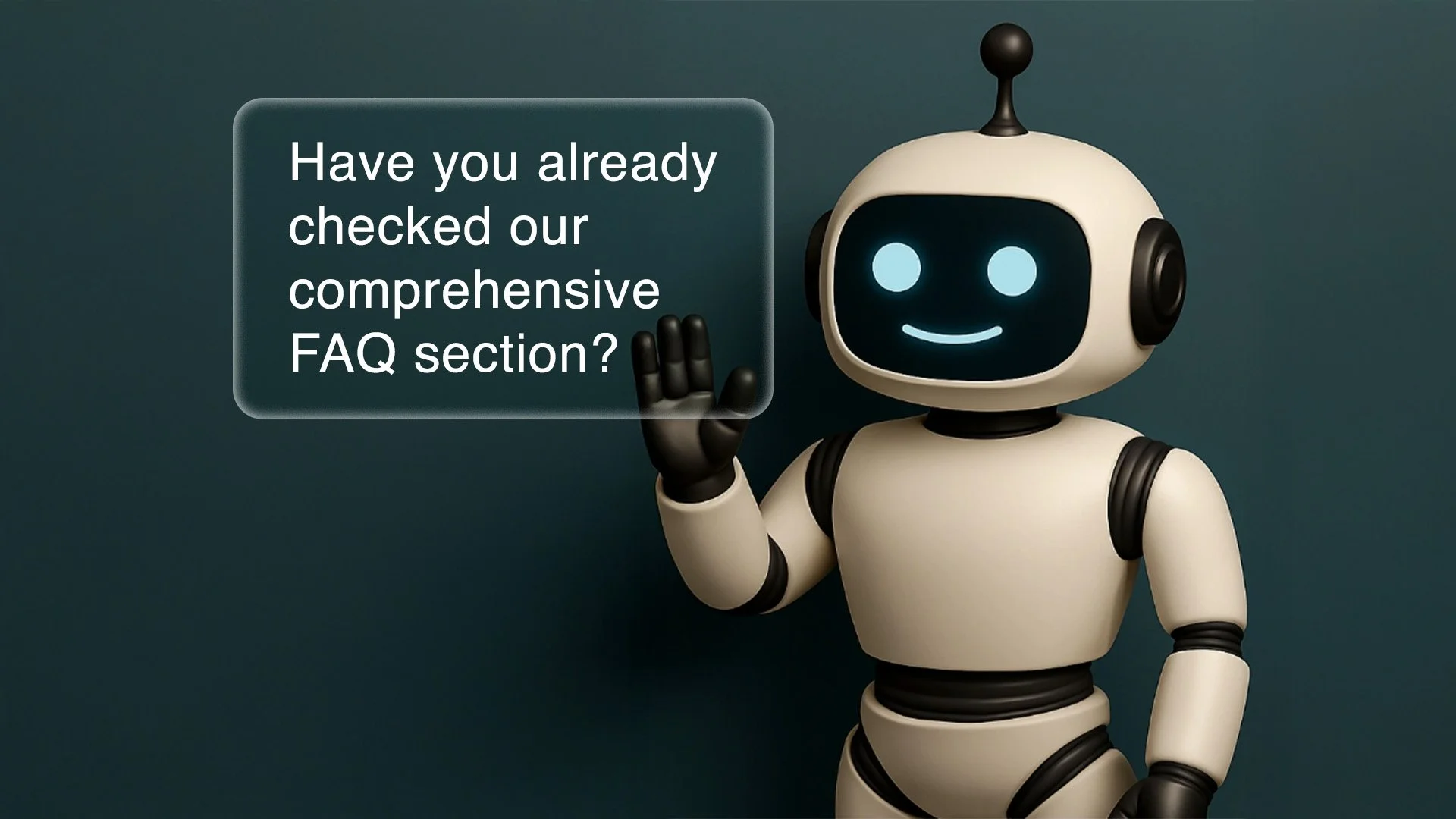
AI-Powered Chatbots: Cold Logic, Cold Responses, Hot Mess
Once upon a time, when something went wrong, you selected ‘Chat’ on a company’s website or app – and eventually, a real person answered. Maybe the experience wasn’t flawless, but more often than not, they fixed the problem or escalated it. The system wasn’t perfect, but it was genuine.
Then companies discovered AI. And they realised: “Hey, we could replace these expensive human workers with lines of code.” Suddenly, the comforting idea of talking to someone who cares (or at least paid to) was forced into early retirement.
These days, when your flight’s cancelled or your card is declined, you won’t speak to a human at all. You’ll get a bot. You type your problem. The bot replies with canned phrases. You try again. It suggests an FAQ. You ask for a human. The bot encourages you to “rephrase your question”. You slam your laptop shut, your cat leaps into the air, and your cortisol levels spike.
It’s infuriating, because these are the moments when you most need empathy and human judgement – not a prepackaged script.
And yet, the companies pushing these bots know they’re inadequate. They know users hate them. But they’re cheaper. On the spreadsheet, your frustration and disappointment don’t show up. And you’re trapped – there’s nowhere else to go.
This is reverse improvement in its purest form: taking something that worked – real people connecting, problem-solving, being imperfect but caring – and replacing it with something worse. Something soulless. An “upgrade” that ultimately degrades the service.
Customer service isn’t just an unfortunate cost. It’s a key driver of trust, loyalty, and long-term growth. And instead, what we get are bots with zero power, recycling the same lines, with no real capacity to show empathy or exercise judgement.
Tech people call it “innovation”. Corporate leaders call it “growth”. Real people call it a sad game of single-player Pong when what they really need is Mario Kart, two controllers, and some genuine human hands on the wheel.
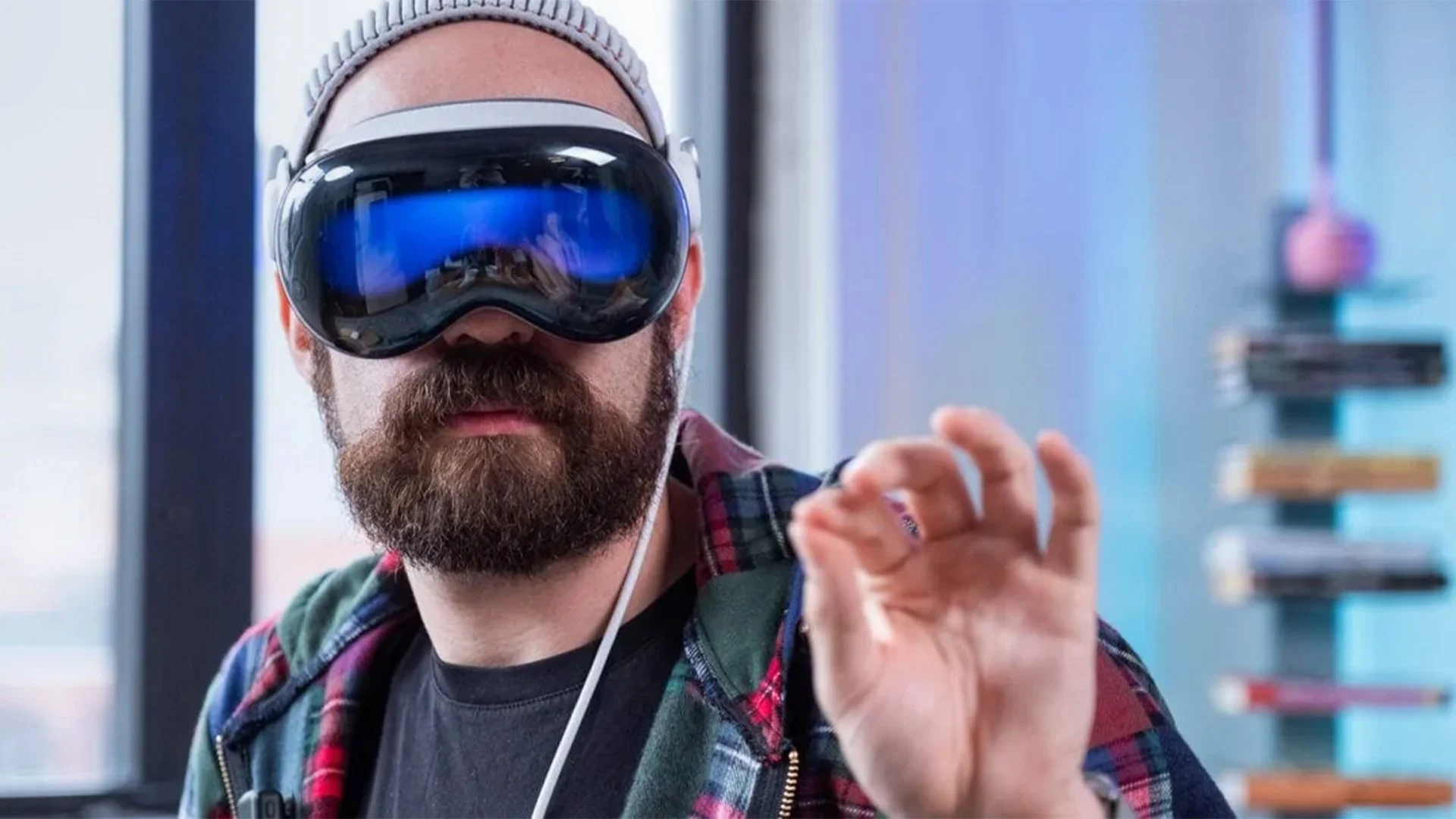
Mixed Reality Devices: Overhyped, Overpriced, Underwhelming
Apple Vision Pro. Meta Quest. Snap Spectacles. Billion-pound bets on the future of human interaction, all built around strapping screens to our faces. Silicon Valley’s collective hallucination is that what we’re desperate for is more time in digital spaces and deeper immersion in virtual worlds.
Except we’re not. We’re setting screen-time limits. Deleting social media. Going on digital detoxes. The cultural mood is unmistakable: we want less interaction with our devices. We want to look up from our screens once in a while – not inject content directly into our eyeballs like we’re living in an episode of Futurama.
Hey tech bros! You won. The screens you’ve already made revolutionised our lives. Case closed. Move on to the next thing. Solve the next problem. Smartphones connect us to everyone we’ve ever known and most of human knowledge. Laptops let us work from anywhere. Tablets keep our kids from melting down at dinner. What we have already works.
At the end of the day, sure, these face-computers might eventually catch on. Meta teaming up with Ray-Ban and Oakley is genuinely cool – I’ll give them that. But from where I’m sitting, mass adoption still feels like a long shot. Right now you’re paying a month’s rent to stand in your living room cosplaying as a futuristic ski instructor.
Take them outside and it’s even worse. They’re basically the wearable equivalent of a sign that reads, “Please avert all romantic interest.” And let’s be honest: nobody enjoys being recorded by a stranger, so anyone wearing these (Not) spy glasses is going to collect side-eyes like loyalty points.
The disconnect is staggering. The world is grappling with too much distance from reality. Parents worry about their children’s development. Adults worry about mental health. Everyone talks about being in the now. And the tech industry responds: “But don’t you want to do AR archery on your lunch break?”
Smartphones, by contrast, are objectively brilliant. Improving them makes sense. But these headsets and smart glasses? Not the improvement we’re asking for. It’s almost as if Silicon Valley read Ready Player One and thought: “Cool story, bro. Let’s do that.”

Modern Gaming: Half-Arsed, Half-Finished, Full-Priced
Back in the day, you bought a video game and played it. That was it. One box, one disc or cartridge, one purchase. You played it. You finished it. You owned it. And crucially, the system worked. Or it didn’t, and it flopped, and we all moved on.
Now publishers have discovered a better way to treat your time, patience, and wallet. Launch the game almost-finished, call it “early access” or a “beta”, and let the rest sort itself out over endless patches. Features that should have been ready at launch get added later, while the modding community fills the gaps free of charge.
And then there’s the Downloadable Content (DLC). Battle passes. Cosmetic packs. Loot boxes. Pre-order bonuses. Every possible incentive designed to make you pay extra for content that should have been included from the start. The game isn’t complete without these add-ons. Want the full experience? That’s going to cost you – and more than once.
It’s not just inconvenience. It’s taking something that once worked perfectly fine – a finished, playable game – and turning it into a fragmented, monetised mess. A constant drip of microtransactions disguised as content. A system designed to extract cash from people who just wanted to switch off and escape.
You wanted entertainment. You wanted immersion. You wanted a complete gameplay experience. You got in-game purchases and DLCs stretching the lifespan of an unfinished product under the guise of “choice”.
It’s the digital equivalent of buying a house you thought you could move into straight away, only to discover the toilet doesn’t flush and there’s a locked gate on the stairs demanding extra payment. But don’t worry – there’s a 25% discount code.

The Bottom Line: Stop Fixing Things That Aren't Broken and Build Something Useful
Look, the technology available these days is genuinely brilliant. I still find it amazing that I'm walking around with a supercomputer in my pocket that can navigate cities and video call my mum in Australia. We've created new industries, connected continents, and made information accessible to billions. The upsides still very much outweigh the downsides.
So why does it feel like we're constantly being punished for appreciating it? Because the tech industry is increasingly avoiding the idea of solving new problems and focused on "revolutionising" what already works.
We didn't ask for this. We liked things the way they were. But companies have decided that "working perfectly fine" is the enemy of profit, so now we're stuck paying extra for the privilege of things being slightly worse than before.
The tragedy isn't that innovation has stopped entirely. I'd argue that it hasn't. We're still creating and improving. It's that innovation has been infiltrated by needless tinkering. It's that game-changing ideas have been traded for quarterly earnings. It's that the digital products we know and love are being slowly degraded by people who've confused "different" with "better."
So here’s a radical idea for those behind the wheel: before you “disrupt” something else, maybe check if it actually needs disrupting. Perhaps it just needs the bugs fixed. Or better yet, go build something genuinely new. Or take a holiday, I don’t care. We’ll survive just fine without your self-driving lawnmower for a few weeks. We promise. But if you absolutely insist on releasing it, please, make sure it can’t run over the neighbour’s cat.