
From Uber to Spotify, the Middlemen Are Running the Show. And the Rest of Us Are Getting Screwed 💸
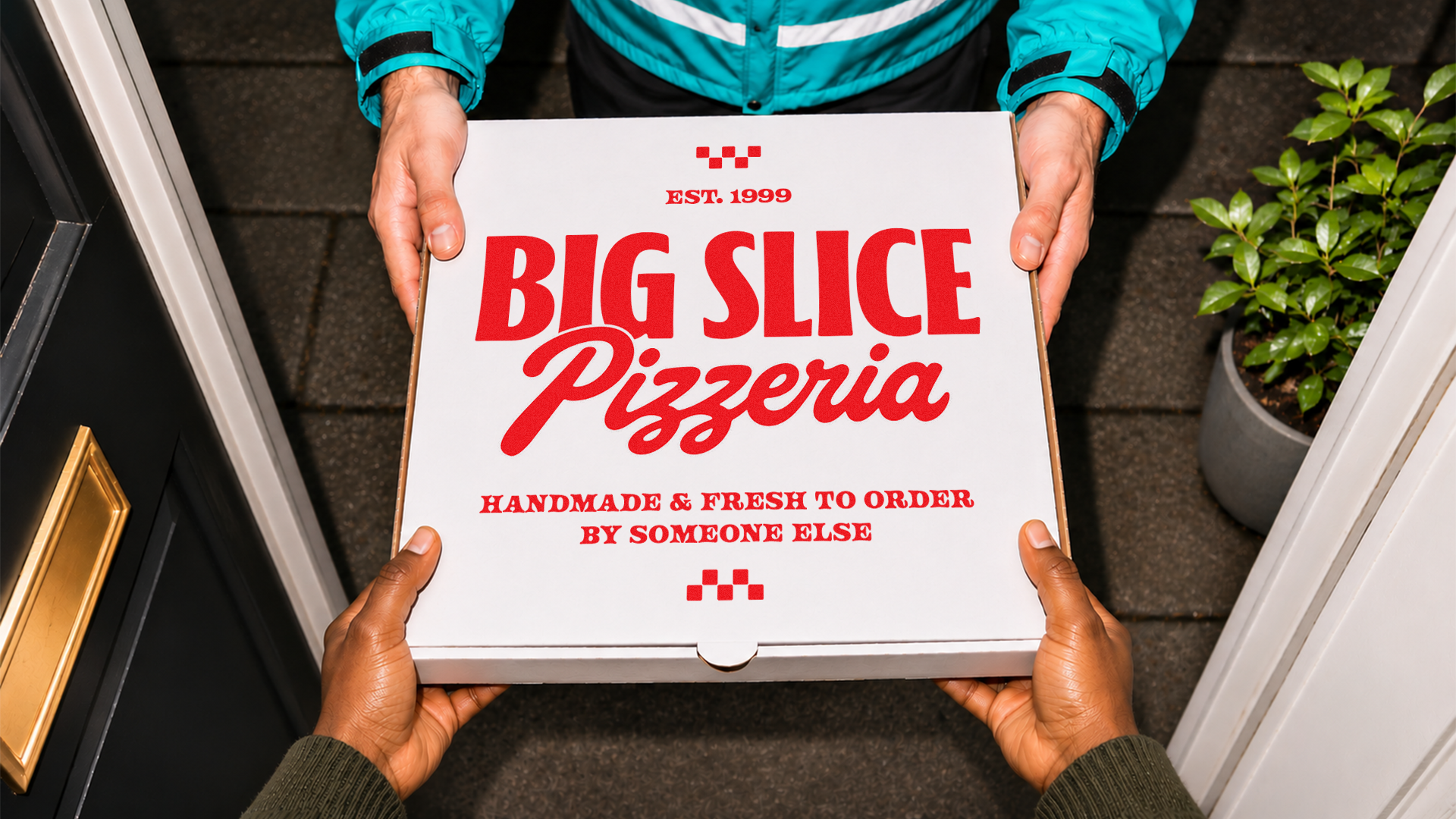
Imagine owning a pizza restaurant. You buy the ingredients, pay the staff, perfect the dough, and spend years convincing people that your particular combination of cheese and tomato is worth their hard-earned cash.
Then someone builds an app, connects you with hungry customers, and takes a generous slice of the transaction. Lovely.
Now think about how many companies operate this way. These are the modern-day middlemen, and they've built some of the most lucrative businesses on the planet without necessarily making, owning, or delivering the things they're selling.
Ticketmaster sells tickets to gigs it doesn't organise. Booking.com reserves rooms in hotels it doesn't operate. Rightmove lists houses it doesn't own. None of them needs to soundcheck a guitar, change the bedsheets, or explain that the kitchen isn't dilapidated, it's vintage.
The internet was supposed to cut out the middlemen and connect us directly to what we wanted. Instead, we gave them slick interfaces and billion-dollar valuations. Turns out the real money isn't necessarily in making things. It's in becoming the place everyone goes to find them.
And these companies aren't simply collecting an introduction fee and wishing everyone a pleasant day. They're increasingly deciding what we pay, what workers earn, which businesses succeed, and even what we consume.
So, how did the middlemen end up calling all the shots? And why does everyone else seem to be getting a worse deal?
The Honeymoon Fare Is Over
Remember when ordering an Uber through your phone felt like a revelation? Cheap rides, plentiful drivers, and no standing in the rain wondering where the hell your taxi was. All in one app.
Of course, those early bargains weren't sustainable. Uber spent years burning through investor cash to subsidise its expansion, undercut traditional taxis, and become everyone's default way of getting around. The strategy worked a treat, and we all developed a convenient new habit.
Fast-forward to today, the subsidies have largely disappeared and the introductory offer has expired. Sure, there are alternatives, but when something becomes second nature, who can be bothered shopping around?
Then came surge pricing. Apparently, wanting to get home when everyone else does warrants a hefty surcharge. Rain, live events, public transport disruption. The moments you're most likely to need a ride are when prices become eye-watering. You'd be forgiven for thinking the car came with complimentary champagne.
You might assume the driver is having a rather lovely time of it, too. Not necessarily.
In 2023, Uber introduced a more sophisticated pricing algorithm, and research from Oxford University suggests it's been a profitable move. Passengers are paying more, drivers are earning less, and Uber's average cut has increased. Good for them.
Unlike the platform, the driver is responsible for the car, fuel, insurance, and cleaning up when someone loses their lunch in the backseat. Meanwhile, their earnings are increasingly determined by an algorithm whose calculations are difficult to predict.
The driver takes the journey. The passenger pays the fare. And the only thing Uber has to steer is the algorithm in its favour.
Would You Like Some Fees With That?
If getting home feels like a rip-off, staying home isn't exactly a bargain either.
Consider the humble takeaway. You've decided that cooking is simply too much to ask of yourself this evening. A perfectly respectable decision. You open Deliveroo, find a burger joint, and prepare to exchange money for happiness.
Before the patty has even hit the grill, the restaurant is already handing over a hefty chunk of your order's value to the platform.
Then there's your end of the transaction. Delivery fee. Service fee. Perhaps a small-order fee. It's remarkable how quickly a reasonably priced meal can start looking like a mortgage application. And naturally, some restaurants bump up their in-app prices to help cover the commission.
And it gets better. Restaurants can also pay for prominent placements within the app. It's like paying rent for a shop, then paying your landlord extra to let you put up a sign.
And here's the trap. Once enough customers are ordering through an app, opting out can mean disappearing from a substantial portion of the market overnight.
So the restaurant gets squeezed, the customer pays a premium, and the rider navigates traffic wondering when all those perks of the gig economy are going to pay off.
All because a grown adult couldn't be bothered walking ten minutes for a hamburger and fries. The future really is now.
The DJ's Not Taking Requests
Extracting money from transactions is one thing. But what happens when the middleman starts influencing what we actually consume?
Take Spotify. We've gained access to practically every song imaginable. Unfortunately, the economics are much less romantic for the people making the music.
Getting paid isn't particularly straightforward, either. Spotify distributes royalties to rights holders based on their share of total streams, with musicians receiving whatever their agreements entitle them to. And while artists are trying to make sense of the maths, the platform has enormous influence over who gets heard in the first place.
As listeners, the more we rely on algorithmically curated playlists, the more influence the platform has over our tastes. We're effectively outsourcing our curiosity to software trained on everything we've already enjoyed.
It's like telling your wedding DJ you like Madonna, then spending the entire night listening to Kylie and Gaga. Probably should have mentioned you liked The Stones, too.
Then there's AI. Remember The Velvet Sundown? An entirely synthetic band that amassed over a million monthly listeners in a matter of weeks. Researchers have since found AI-generated music appearing in Spotify's own algorithmic recommendations.
So now real musicians aren't just competing for attention with other musicians. They're competing with bands that don't actually exist. No instruments, no rehearsal rooms, no drummer threatening to quit because of creative differences.
The musicians make the music. The listeners pay to hear it. And the platform influences who gets discovered, who gets paid, and what comes next.
Somewhere, a geezer with a guitar is wondering whether he should have become an accountant.
The House Always Wins
There's a common thread running through all of this. The driver needs passengers. The restaurant needs customers. The musician needs listeners. And more often than not, someone else controls access to the very people they're trying to reach.
That's where the real power lies. Today’s middlemen don't just take a cut of the transaction. They set the rules of the game. And it's the only game in town.
And why should we care? Because we're all paying for it, whether we realise it or not. Sometimes it's obvious, like the extra fees at checkout. Sometimes it's less visible, like businesses raising prices to cover commissions. Suddenly, that generous in-app discount doesn't look quite so hot when you realise the starting price was higher than in-store.
Perhaps most concerning is the gradual loss of choice. These platforms become so deeply embedded in our lives that we stop looking for alternatives. Convenience has a funny way of turning into dependence. And dependence isn't exactly a brilliant negotiating position.
I'm not proposing we throw our smartphones into the ocean. But there's probably something to be said for taking back a little control.
One alternative is going directly to the businesses themselves when you can. Or, as the marketers love to call it, DTC. Because apparently buying something directly from someone needed its own acronym.
Think Fussy's deodorant refills, Grind's coffee subscriptions, or Abel & Cole's weekly food boxes. Different models, but the same idea: building a direct relationship with customers rather than relying on someone else's marketplace.
Of course, subscriptions aren't automatically the answer. Just ask anyone whose HP printer has refused to print because their ink subscription expired. But choosing wisely can mean a better deal for everyone involved.
Anyway, that's enough capitalism for one day. I'm getting hungry. And there's a hamburger on the way with my name on it.
I swear it was cheaper last time I ate in the restaurant.